On the waterMallorca
Bareboat or skippered: choosing a charter out of Palma
Apr–Oct
Palma has the deepest charter fleet in the Balearics and the shortest patience in August. This settles which of the two contracts you actually want, what each one holds from you, where you can realistically sail on a week out of the bay, and the month the boat you have in mind stops being available.
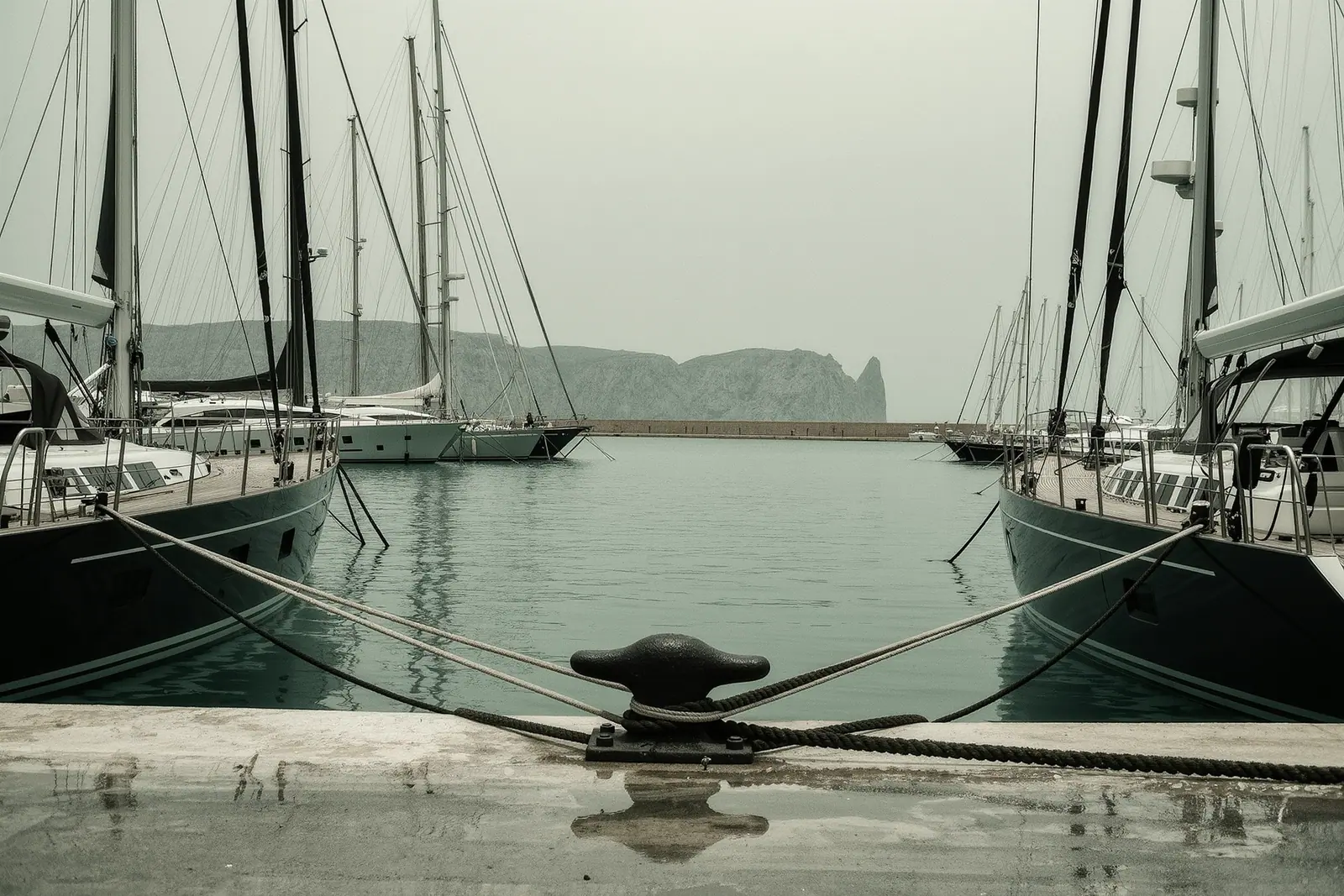
Palma is not just the biggest charter base in the Balearics — it is the reason the Balearics have a charter season at all. The bases spread along the Moll Vell and out through the western side of the bay hold everything from thirty-foot production cruisers to boats with a permanent crew, and in the space of one Saturday morning several hundred of them change hands.
Which means the choice you make months earlier — bareboat or skippered — decides more than who steers. It decides how much money is blocked on your card, what happens when the Tramuntana blows, and whether the week is a holiday or a job you have volunteered for.
The two contracts, side by side
The difference is not comfort. It is liability.
| Bareboat | Skippered | |
|---|---|---|
| Who is responsible for the boat | You | The company, through their skipper |
| Certificate needed | Recognised licence, often an ICC, plus a sailing CV | None for you |
| Deposit | Typically low thousands, held against damage | Often much lower, sometimes none |
| Extra daily cost | — | Skipper’s fee, plus their food |
| Berths available to your party | All of them | One fewer |
| Who decides where you go | You | You, within what the skipper judges safe |
| Who does the paperwork at each port | You | Them |
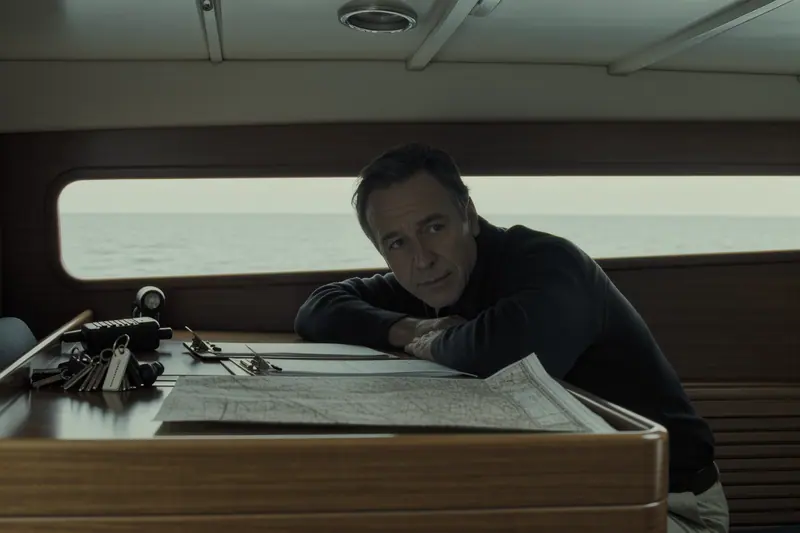
The sailing CV is the part people underestimate. Companies in Palma routinely ask for a short written history — boats sailed, sizes, sea areas, roughly when — and they do read it. A certificate obtained in a flat lake in a weekend, attached to a request for a forty-five-foot boat in August, gets a polite refusal or a mandatory skipper for the first day.
What the deposit is actually doing
On a bareboat charter out of Palma the damage deposit is the largest single number on the contract, and it is not a fee. It is money that is held and then released, and the mechanism matters more than the amount.
A card authorisation blocks the sum on your credit card without taking it. It needs headroom on the card that most people do not have spare in August, and it is released after the return check — which can take a week to clear back to your statement even when nothing is wrong.
A transfer actually moves the money. It comes back the same way, on their timetable.
A damage waiver replaces the deposit with a much smaller non-refundable payment. You pay it whatever happens, and it usually caps rather than removes your exposure. Read what it excludes: the underside of the hull, the rudder, the sails, and anything the contract calls negligence are common carve-outs.
Ask which of the three applies before you commit, because the answer changes what you should budget by thousands.
The week the boat is actually available
Charter weeks out of Palma run Saturday to Saturday, and the slot is narrow at both ends: you board in the afternoon and you are alongside again the previous evening or very early on the last morning. That is not seven days of sailing. It is closer to five and a half, and the first afternoon is spent provisioning and finding out where everything is.
The season, and the point at which it stops being your choice:
- April and May — the coast is empty, water is cold, and the Tramuntana can still shut the north down for two days at a time. Cheapest sailing of the year.
- June — the best compromise. Reliable weather, long light, prices climbing.
- July and August — full price, full anchorages, and the mid-size boats gone since spring. Anchoring off the Tramuntana coast in August means arriving by early afternoon or not at all.
- September — arguably the best month on the water, and it books almost as early as August.
- October — quiet, warm sea, shortening days, and a real chance of a week reshaped by weather.
If you want a specific boat in August, March is when you decide. This is the pattern the booking window on the Mallorca index is built to show: the month you want and the month you have to act in are not the same month, and the gap is longer than most people expect.
Where you can actually go
The reason to charter out of Palma rather than Alcúdia or the east coast is that you can turn either way. West and north takes you along the Tramuntana — Andratx, Sant Elm and the Dragonera channel, then the long cliff run past Banyalbufar towards Sóller. East takes you into the calas of the south and the flat run towards Cabrera, and south-west opens the crossing to Ibiza.
The Tramuntana coast is the one people book the trip for and the one that most often does not happen. It is a lee shore in a northerly, with very few places to hide, and Port de Sóller is the only genuinely sheltered harbour on that entire stretch. A three-day plan up that coast needs a forecast that holds, and a plan B that goes east instead.

Cabrera is a separate case worth knowing about before you plan around it: it is a national park, the number of overnight moorings is capped, and you need a permit in advance. It is not somewhere you divert to on the day in season.
So which one
Take bareboat if you have real sea time on boats of a similar size, you want the extra berth, and you can absorb the deposit without it colouring the week.
Take skippered if any of the following is true: this is your first Mediterranean charter, your certificate is newer than your confidence, you are sailing with small children, or the deposit is the reason you keep hesitating. A skipper who knows which cala is tenable in a north-easterly will find you better anchorages than you would find yourself, which is worth more than the daily rate suggests in a week where the wind does something unexpected.
There is also a middle option most bases will quote for and few people ask about: a skipper for the first day only, to hand the boat over properly and get you out of the bay. It costs one day and it converts the worst part of a bareboat week into the easiest.
What to check before you book
- Ask which certificate the company accepts for the exact boat, in writing, before you pay a deposit. "An ICC is usually fine" is not an acceptance.
- Get the deposit mechanism named: card authorisation, bank transfer, or a damage waiver product. They behave completely differently if something goes wrong.
- Confirm the handover day and hour. A Saturday slot that starts at 17:00 and ends at 09:00 costs you a full sailing day at each end.
- Check whether the outboard, the dinghy, the bed linen, the final clean and the cruising tax are inside the price or added at the base.
- Ask what the wind policy is — many contracts restrict leaving the base above a stated force, and the Tramuntana coast is where that bites.
- If you are chartering with a skipper, ask whether their food and their berth are your cost. They usually are.
Questions people actually ask
- Can I charter a yacht in Mallorca without any licence?
Not a cruising yacht. The Balearics allow small, low-powered craft to be rented on a short briefing alone, and that threshold is set nationally rather than by the company, but anything you would recognise as a charter yacht requires a recognised certificate. Confirm the current power and length limits before you assume a boat falls under them.
- What does bareboat actually mean?
You take the boat without crew and are the skipper for the duration. You are responsible for navigation, for the condition it comes back in, and for the deposit. The company still provides the boat, the briefing and shore support, but no one aboard works for them.
- How far ahead should I book for August?
March is the honest answer for the popular sizes out of Palma. The Balearic fleet is large but August demand is larger, and the boats that go first are the mid-size cruisers that sleep six to eight. By June you are choosing from what is left rather than what you wanted.
- Is a skippered charter much more expensive?
The skipper is a separate daily cost on top of the boat, and you usually cover their food. Against that, a skippered charter often removes the large damage deposit, because the person responsible for the boat works for the company. Compare the two totals, not the two headline rates.
- Can I sail to Ibiza and Formentera on a Mallorca charter?
Usually yes, but the contract decides. Some agreements limit you to the Balearics, some require notice before an inter-island passage, and some exclude it entirely on shorter charters. The crossing is a long open-water day, so it also changes what kind of week you are planning.