GearMallorca
The handover photograph set that ends disputes
All year
Almost every rental dispute on this island is decided by whether a timestamped photograph exists. This is the specific set to take at collection and the shorter one to take at return, for a car from Palma airport, a van, a scooter and a charter boat, plus the four shots people miss and the reason they matter here.
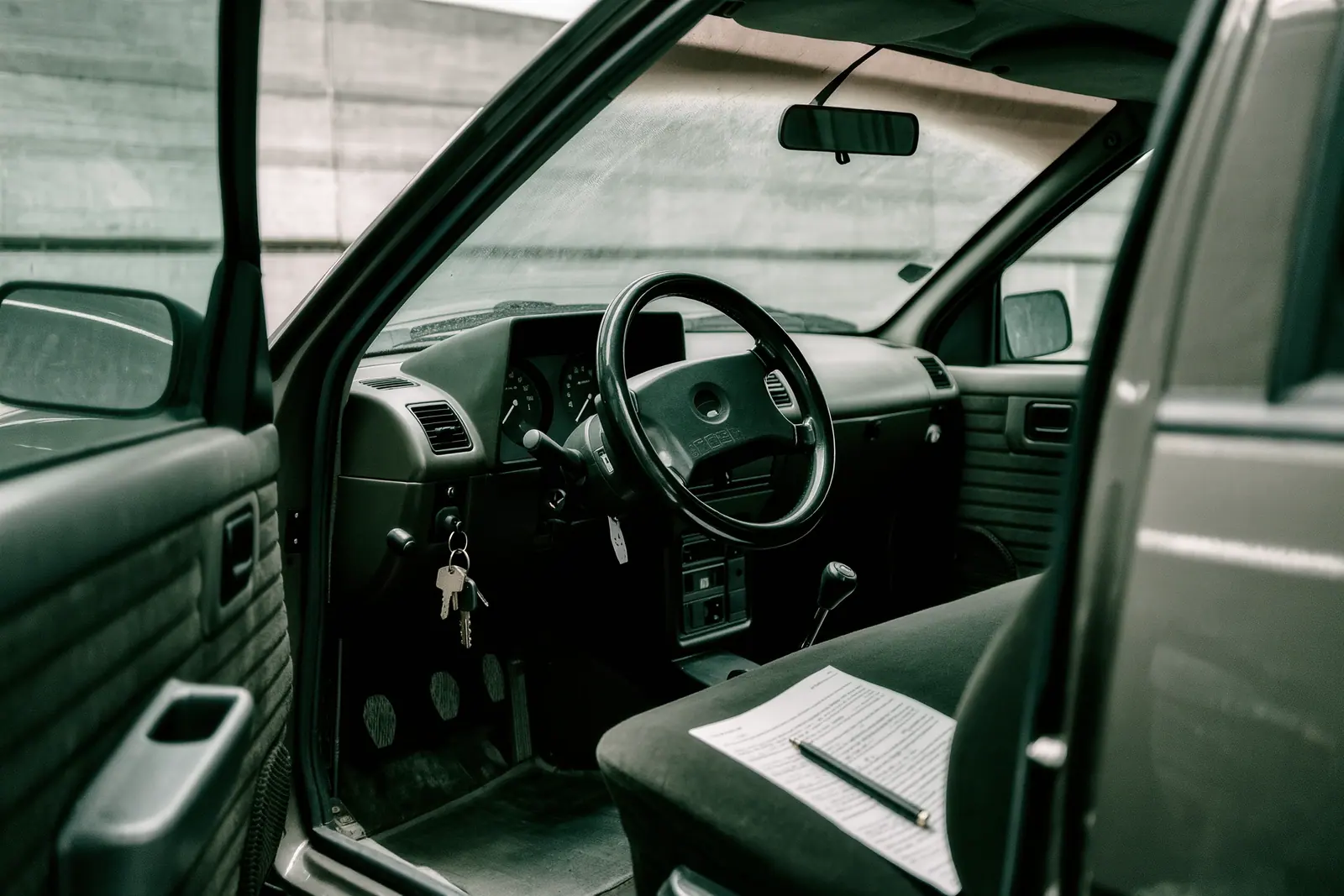
Rental charges on this island do not arrive at the desk. They arrive by email between three and six weeks later, itemised, with a repair invoice attached and a photograph of a scratch you have never seen. By then the car has been out four more times, the boat has done another two charters, and the only thing that settles the question is whether you took pictures.
It takes four minutes. Almost nobody does it properly, and the parts most people skip are the parts that get charged for.
The car set, in order
Do this in the bay, before you move the vehicle, with the doors closed for the exterior shots.
- The condition report, photographed flat. Whatever the company has already recorded is now in your possession too.
- Four corner shots, taken at an angle rather than square on. Damage on a painted panel shows when the light rakes across it and disappears when it does not.
- Each wheel individually. Alloys are the single most charged item on Mallorcan hires, because the old town streets and the village lanes inland have high kerbs and stone walls at exactly the wrong height.
- The roof. Stand back or hold the phone up. Nobody photographs the roof and it is where roof boxes, low barriers and paddleboards leave marks.
- The windscreen and both mirrors. Stone chips from the mountain road and folded mirrors from a passing coach are routine here.
- The dashboard with the ignition on, showing fuel and odometer in one frame.
- The interior, including the boot, the parcel shelf, and whether there is a spare wheel or only a compressor kit.
- Anything already damaged, close up, with something for scale.
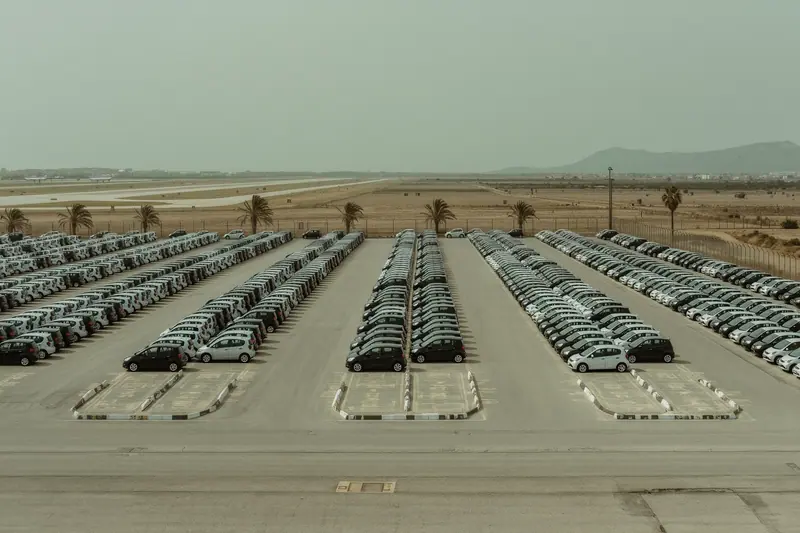
The four shots people miss
The roof. Already mentioned and worth repeating, because it is the one that comes back as a several-hundred-euro panel claim.
The underside of the front bumper. Kneel down and shoot up. On this island the ramps into underground car parks in Palma and the crowned unmade tracks down to the eastern calas both take a toll on front spoilers, and it is a part of the car nobody looks at.
The number plate in frame with the damage. A photograph of a scratch proves nothing about which car it was on. Get the plate into at least a few of the shots.
The condition report after signing. Not before. If a member of staff has added anything, you want the version with their handwriting on it.
The return set, which is the one that matters
This is where the discipline collapses, because by the return you have a flight and a queue and someone is asking for the keys.
Take five minutes anyway. In the return bay, before anything is handed over: four corners, four wheels, the dashboard with fuel and odometer, and the bay number or a landmark that establishes where the vehicle was left. If it is an unattended drop — a town depot on a Sunday, a resort office in the evening — this set is doing serious work, because in most contracts the car remains your responsibility until it is inspected on the next working day.
Get a signed return slip if there is anybody there to sign one. If there is not, photograph the key box with the key going into it.
Adapting the set
| Vehicle | Add to the standard set | Why here |
|---|---|---|
| Small hire car | Nothing extra | The baseline |
| Campervan | Roof, awning rail, rear step underside, gas locker, waste and water levels | Height barriers and unmade tracks on the east coast |
| Scooter | Both rims, all fairing panels, mirrors, exhaust, seat lock | Fairing plastics are expensive relative to the hire |
| Van or estate | Load area floor and walls, tailgate edge, loading lip | Loading damage is charged separately from body damage |
| Charter yacht | Topsides both sides, transom, tender and outboard serials, engine hours, inventory sheet | The deposit is thousands, not hundreds |
The boat version
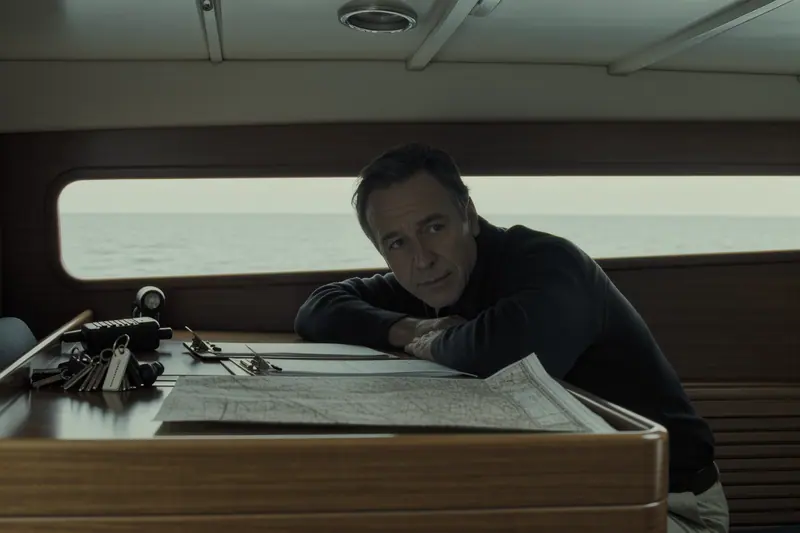
A charter handover is longer and the stakes are higher, because the deposit is measured in thousands. Do the photographs while the base representative is still standing on the pontoon with you.
Both topsides from the quay, walking the length. The bow and the anchor, with the chain markings visible if there are any. The transom, the bathing platform and as much of the prop or saildrive as you can see from the water’s edge. The deck, the sprayhood and the sail covers. Sails unrolled, if the base will let you, because a small tear along a leech is exactly the sort of thing that surfaces at the end of a week.
Then the things that are not damage but are money: the inventory sheet signed and photographed, the engine hours on the instrument panel, the fuel and water gauges, and the tender and outboard with their serial plates in frame. The dinghy is the most commonly disputed item on any charter because it spends the week tied astern in a busy anchorage.
Keeping them usable
Three practical points that decide whether the set is worth anything six weeks later.
Keep the originals. Photographs sent through a messaging app are recompressed and stripped of their metadata, which removes the timestamp that makes them evidence. Back the folder up somewhere before you delete anything off the phone.
Shoot in daylight where you can. A late arrival at Palma airport under sodium lighting produces images in which no paintwork detail survives; if that is unavoidable, take the set again in the morning before you drive anywhere and keep both.
And send nothing until you are asked. A polite email attaching the collection and return sets, with the plate visible and the times on them, ends most disputes in one round — and it works far better than an argument about what the excess cover does or does not include.
What to check before you book
- Photograph in daylight if at all possible. A midnight collection under sodium light produces images that prove nothing about paintwork.
- Turn the timestamp on before you start, and keep the originals rather than compressed copies sent through a messaging app.
- Photograph the printed condition report itself, whatever it says, so you have the company's own record of what was already there.
- Take the roof, the alloys and the windscreen. These are the three most commonly charged items and the three least commonly photographed.
- Shoot the fuel gauge and the odometer in the same frame, with the ignition on.
- Repeat the whole set at return, in the return bay, before you hand the keys over or drop them in a box.
- On a boat, photograph the inventory sheet and the engine hours as well as the hull.
Questions people actually ask
- What should you photograph when collecting a hire car?
All four corners at an angle so damage catches the light, all four wheels individually, the roof, the windscreen and both mirrors, the interior including the boot and the parcel shelf, and the dashboard with the ignition on so the fuel gauge and odometer are readable. Add a photograph of the condition report itself. It takes about four minutes and it is the only evidence you will have.
- Do photographs actually help in a rental dispute?
They are usually the deciding factor. Charges typically arrive three to six weeks after the return, by which time nobody remembers anything and the car has been out several times more. A timestamped set from the collection bay establishes what was already there, and a matching set from the return bay establishes what was not added.
- Should you photograph the car at return as well?
Yes, and this is the set nearly everyone skips because they are hurrying for a flight. The return photographs are the ones that prove the car was undamaged when you left it, which matters enormously at an unattended out-of-hours drop where the next inspection is the following working day.
- Is a video walkaround better than photographs?
It is a good supplement and a poor substitute. A slow walkaround with the phone gives continuity and context, but stills are sharper, easier to send and easier to compare against a specific claim. Do both if you have five minutes — video first for the whole vehicle, then stills of the details.
- What do you photograph on a charter boat?
Both topsides from the pontoon, the bow and the stern, the transom and any visible part of the underwater gear, the deck, the sails unrolled if the base allows it, the tender and outboard including serial plates, the instruments showing engine hours, and the signed inventory sheet. Do it with the base representative present rather than after they have left.