Two wheelsMallorca
What a spring training camp books, and when
Jan–Apr
From late January the north coast fills with groups who booked their hotels and their bike fleets before the previous season ended. What a camp actually reserves, why the good hire bikes vanish in sizes rather than in numbers, which weeks are unbookable, and how to get what you want if you are not part of a group.
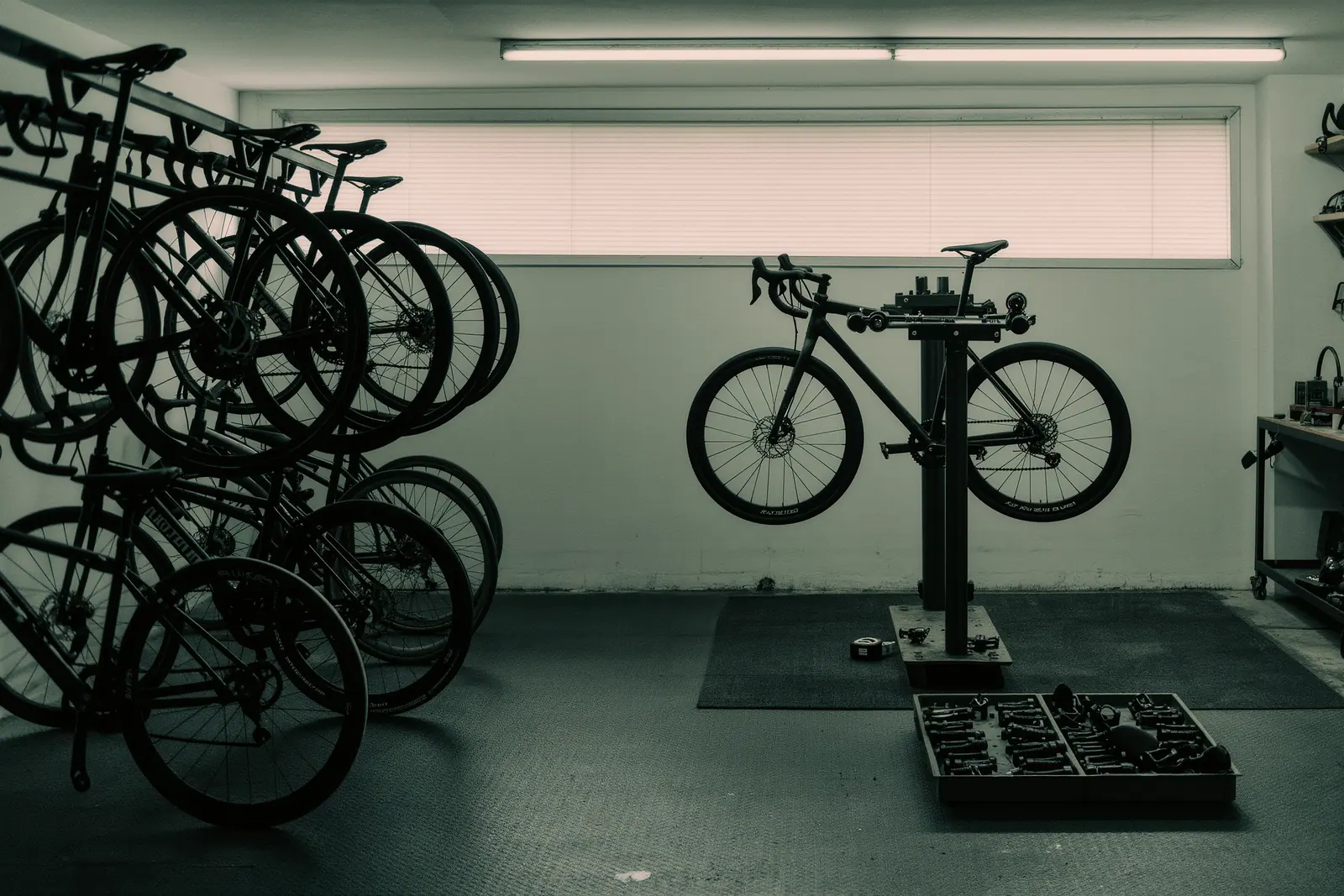
The season here starts in a car park in late January. Vans arrive at hotels along the northern bay that have opened weeks before the rest of the resort, unload crates of pedals and spare wheels, and by the Saturday there are groups of twenty riding out towards the Coll de Femenia in matching kit.
Those groups did not organise this in November. Most of them committed a year earlier, and understanding how that machinery works is the difference between getting the bike you want in March and taking whatever is left.
What a camp actually reserves
A camp is four bookings stapled together, and they are made in this order:
- Beds. Hotels on the north coast that open for the cycling season hold blocks for returning groups from one year to the next. This is the binding constraint, and it is why camp dates rarely move.
- Bikes. A block of frames in specified sizes, taken from a rental shop’s fleet before that fleet is offered to the public. Camps and shops work on standing relationships and the shop plans its winter purchasing around them.
- Support. A van, a mechanic, sometimes a soigneur, and a route plan built around the weather rather than the brochure.
- Flights, which come last and explain why camp dates look arbitrary.
The second of those is the one that affects everybody else. When a shop has committed forty frames in medium and large for the first three weeks of March, an individual asking for a 54 cm bike in February is not competing with other individuals. They are competing with a block that was placed last summer.
The shape of a camp week
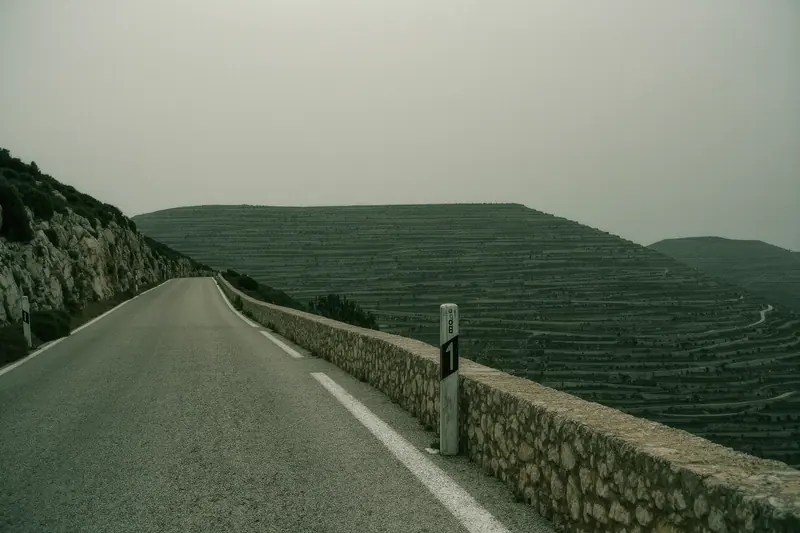
Most groups run the same skeleton, adjusted for weather, and it is worth copying even if you are travelling alone:
| Day | Typical ride | Why it is there |
|---|---|---|
| 1 | Flat loop around the bay, 50–70 km | Fit the bikes properly, find the problems near home |
| 2 | First mountain day, Coll de Femenia and back | Test the legs on a climb with an easy exit |
| 3 | Long day on the Ma-10, often including the descent to the coast | The main event, ridden while fresh |
| 4 | Recovery spin, coast road or the cape | Everybody rides too hard on day three |
| 5 | Second big mountain day | The one people remember |
| 6 | Café ride and a mechanical check | Bikes go back the next morning |
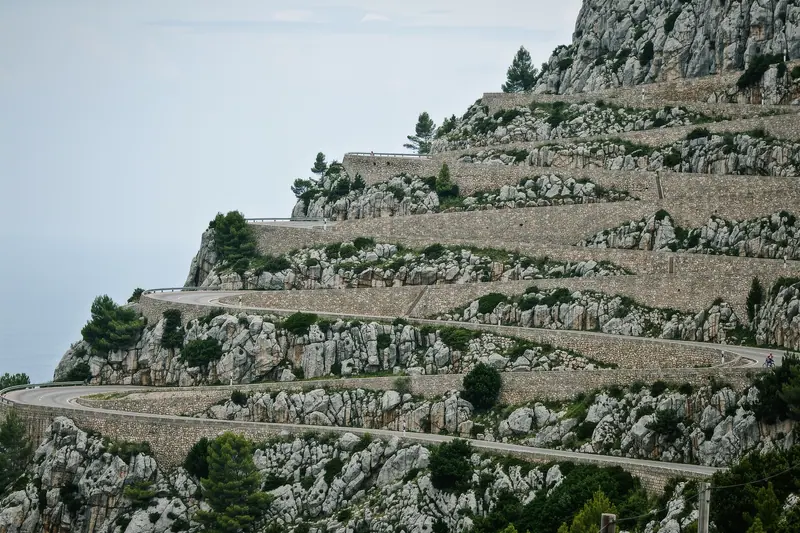
Two features of that plan are worth stealing. The flat first day exists so that a badly fitted bike is discovered ten kilometres from the hotel rather than at the top of a pass. And the recovery day is real: on a week of Tramuntana riding the third and fifth days are what break people, not the distance.
What a camp rate covers, and what it hides
Camp pricing is usually a package: beds, half board, bike, van support and route guiding in one number, quoted per person per week with a seasonal range that climbs steeply from January to the Easter peak. What is generally outside it:
- Flights and airport transfers.
- The damage deposit on the bike, which is still yours.
- Upgrades to a higher-specified frame.
- Anything you drink or eat outside the hotel, which on a cycling week is a substantial number of coffees and almond cakes.
Against that, compare a self-organised week honestly. You will pay for accommodation, a hire bike, probably a hire car or transfers, and you will do your own planning. For two or three riders the self-organised version is normally cheaper. For a group of ten it usually is not, because the van and the mechanic are genuinely hard to replace.
If you are not on a camp
Three tactics work, in decreasing order of usefulness.
Book the bike before the flight. This is the reversal that individuals resist and it is the right way round in February and March. Availability in your size determines whether the week is any good; the flight can be found later.
Give the shop your numbers early. Saddle height, setback, bar reach, pedal system, in millimetres, in an email, weeks ahead. Shops that build fleets for camps are extremely good at this and extremely bad at guessing from a phone call on the day.
Shift a week. The first half of February and the second half of April are quieter, cheaper and just as good to ride. Everything in between, and Easter in particular, is where the pressure sits. The booking window for this category peaks months before the island’s tourist season does.
What the locals watch out for
The late April sportive out of the northern bay is the single date that reshapes the whole area. Several thousand riders, hotels full, rental fleets fully committed, and mountain roads managed for the event. If you are riding it, book everything a year out. If you are not, do not accidentally book a quiet cycling holiday for that weekend.
And a smaller thing: rental fleets are renewed over the winter, so the bikes handed out in early February are frequently new and the ones handed out in October have done a season of Tramuntana descents. If you care about brake pads and bearings, the front of the season is where the good stock is — which is another reason the early camps get the best of the island.
What to check before you book
- Send every rider’s saddle height, setback and bar reach in one spreadsheet at least a month out. Shops build fleets from lists, not from conversations.
- Confirm which specific frame sizes are held for you, in writing. A block booking of "twelve bikes" is not a booking of twelve bikes that fit.
- Ask what the mechanical support arrangement is during your week and whether it costs extra.
- Check whether the hotel has a locked bike room with a workstand, and how many bikes it holds, before you count on it.
- Ask the shop for the cassette range across the fleet, and get the wide ones assigned to the riders who need them by name.
- Avoid the weekend of the big April sportive unless you are riding it. Beds, bikes and roads are all committed that week.
- Agree a swap policy for bikes that turn out wrong on day one, and a time window for it.
Questions people actually ask
- How far ahead do training camps book?
Established camps commonly book the following year before they leave, so six to twelve months is normal and the popular February and March weeks are gone earlier than that. Hotels on the north coast that open specifically for the cycling season hold blocks for returning groups, and the rental shops build their fleet plan around those blocks.
- Why do the good rental bikes disappear in spring?
Because camps take fleets rather than individual bikes, and they take them in the middle sizes. A shop can be fully committed on medium and large frames in March while still having extra small and extra large available, so it is not that the island runs out of bikes, it is that it runs out of your bike.
- Is a camp worth it over organising it yourself?
It depends what you cannot do yourself. A camp buys you route planning, a mechanic, a van with spare wheels, and riders of a similar speed to sit behind. It does not buy you better roads. If you have four friends of similar ability and a hire car, you can replicate most of it for less, but you will spend the evenings planning instead of eating.
- Which weeks should I avoid?
The weekend of the big sportive out of the northern bay in late April, when the whole area is committed and the roads carry thousands of riders. Easter is similarly heavy. If you want quiet mountain roads, aim for the first half of February or the second half of April instead.