Two wheelsMallorca
Gravel bike rental for the camins of Es Pla
Feb–Apr
The middle of the island is a grid of farm lanes, dry stone walls and windmills that almost no visitor rides. What to ask for when you hire a gravel bike here, why tyre choice matters more than the frame on limestone, which tracks you may legally use, and the two months when the Pla is the best riding on Mallorca.
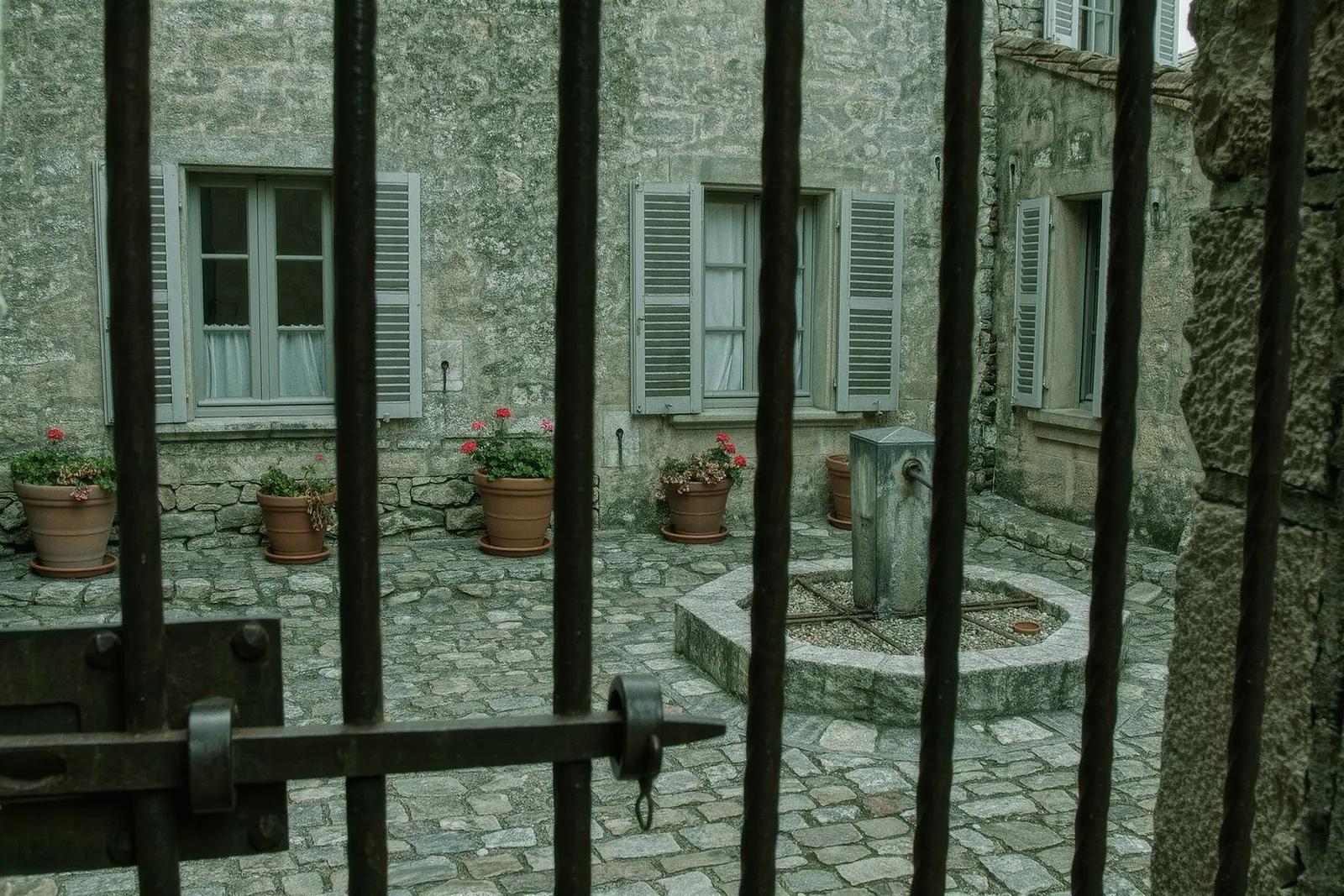
Almost nobody flies to Mallorca to ride the flat bit. The Tramuntana takes the attention and the photographs, and the interior — Es Pla, the plain that fills the middle of the island between the mountains and the eastern hills — gets used as a transit corridor by riders going somewhere else.
It is a mistake, and the shops know it. Ask in a Palma or Manacor rental workshop what they would ride on a Tuesday and a fair number will describe a loop of farm lanes between Algaida, Montuïri and Sant Joan that never touches a numbered road for more than a kilometre at a time.
What the surface actually is
Es Pla is not gravel in the sense the word carries elsewhere. There is very little loose stone. What there is instead:
- Camins, the agricultural lanes that connect fincas to villages. Some are tarmac so old and narrow that they behave like tracks; most are hardpack with embedded limestone.
- Sharp stone. Mallorcan limestone breaks into flakes with edges. It does not puncture a tread often, but it opens sidewalls.
- Clay. After winter rain the Pla holds water in the field margins and turns greasy in the ruts. It dries within a day or two of sun.
- Dry stone walls on both sides, for kilometres, which is why the wind is less of a problem here than the open geography suggests.
The bike that suits this is unglamorous: something around 40 mm on a file or semi-slick tread, tubeless, with a gear range that copes with short steep ramps into villages built on small hills. You do not need suspension and you do not need knobbles.
| Setup you may be offered | What it is really for | On the Pla |
|---|---|---|
| Endurance road bike, 32 mm slicks | Tarmac with rough patches | Survives the camins, punctures on the sharp sections |
| Gravel bike, 38–45 mm semi-slick | Hardpack and farm lanes | The right answer |
| Gravel bike, 45 mm knobbly | Mud and loose surfaces | Slow and noisy on the long tarmac links |
| Hardtail mountain bike | Tramuntana tracks | Overkill, and tiring over 70 km |
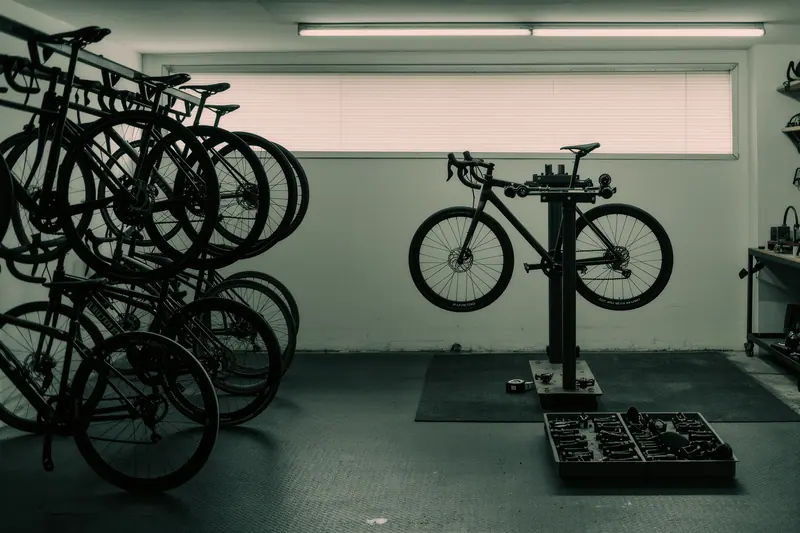
The fleet is small, so the booking window is different
Road bike hire on this island is an industry. Gravel hire is a handful of bikes in the corner of that industry, and the arithmetic changes as a result. A shop with two hundred road bikes may have eight gravel bikes, in four sizes.
The consequence is that gravel availability behaves less like a market and more like a lottery in the spring peak. When the training camps fill the north coast in February and March, the road fleets are pre-committed months out, and the small gravel fleet goes with them because camp organisers grab the alternative bikes for rest days and bad-weather days.
Book earlier than the road bike advice suggests, be flexible about frame size within reason, and ask specifically what tyre is on it rather than trusting the category name on the website.
Where to actually go
A loop that works from anywhere central, and that you can shorten from either end:
- Start at one of the market villages — Sineu, Petra or Montuïri all work — and ride out on the camins rather than the connecting roads.
- Aim for the Ermita de Bonany above Petra. It is a short, steep, walled climb to a hilltop hermitage with the whole plain laid out below, and it is the one piece of vertical the Pla offers.
- Come back through the almond country towards Sant Joan and Vilafranca, on lanes that run dead straight between walls for kilometres.
- Finish in a village square rather than a resort. The Pla runs on village timetables: things shut in the afternoon and open again late.
If you want a second day, Randa is the other obvious target — a small mountain standing alone in the plain with a road up it and monasteries on the way, which is a road ride rather than a gravel one but reachable on the same bike.
The Wednesday market at Sineu is a genuine fixture of the interior rather than a tourist production, and it is worth timing a ride around. It also means the roads into Sineu are busy that morning, so approach on the camins.
Access, gates and the shooting season
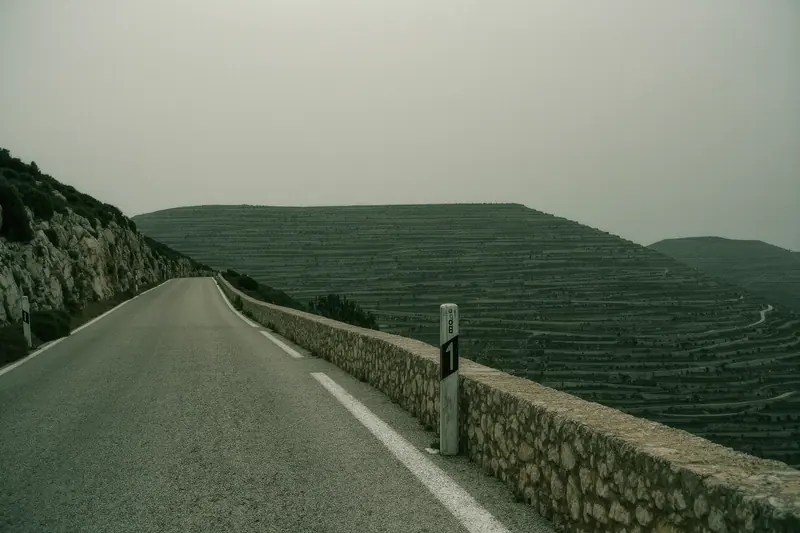
The camins are a working network, not a leisure one. Tractors use them, some are private, and the signs saying so are small, in Catalan, and wired to a gate post.
Two habits keep you out of trouble. Close every gate you open, because the sheep behind it are somebody’s livelihood. And in autumn and winter, be alert to the shooting grounds: large parts of the interior are private hunting estates, they are signed at the boundary, and the active days are traditionally midweek and Sunday. None of this makes riding here difficult. It makes improvising a route across unknown land a bad idea when a planned file would have kept you on public lanes.
The honest recommendation
Do not rent a gravel bike for a whole week here unless the interior is genuinely why you came. The Pla is superb for two or three days and repetitive after five, and the island’s best riding is still the mountain roads.
What works much better: rent the road bike for the week, and add a single day on a gravel bike in the middle of it, ideally after rain has closed something or after a hard mountain day. Many shops will swap a bike mid-hire for a small difference rather than charge two rentals, and almost nobody asks.
What to check before you book
- Ask what tyre is fitted and how wide. A 32 mm road tyre on a bike called gravel is not the same product as a 42 mm with a file tread.
- Confirm the wheels are tubeless with fresh sealant, and ask for a plug kit. Limestone chips cut sidewalls and a plug saves the day a tube will not.
- Ask whether the shop supplies a route file or only a paper map. Signage on the camins is effectively nonexistent.
- Check the bike takes bottles as well as a frame bag. There is no shade and long gaps between villages.
- Ask what the policy is on riding after heavy rain. Pla clay sticks to everything and shops care about it.
- Confirm mudguard mounts or the lack of them if you are riding in February, when the lanes hold water for days.
Questions people actually ask
- Is Es Pla worth riding if I came for the mountains?
For one day out of seven, yes. The Pla is flat, quiet and completely different in character from the Tramuntana: farm lanes between dry stone walls, windmills, small brown villages and almond groves. It is also where you go when the mountain roads are shut by weather or your legs are finished, which happens on most week-long trips.
- How wide should the tyres be?
Something in the high thirties to mid forties in millimetres suits most of the surfaces here. The camins are hardpack and loose limestone rather than deep gravel, so you do not need a mountain bike tyre, but you do need enough casing to survive sharp stone. Anything under about 35 mm is a road bike with pretensions.
- Am I allowed to ride on the farm tracks?
Many camins are public rights of way and many are private, and the difference is usually a sign at the entrance rather than anything on a map. Respect the ones marked private, close gates behind you, and be aware that some estates are shooting grounds in the autumn and winter. When in doubt, take the alternative.
- When is the best time to ride the Pla?
Late January to April. The almond blossom comes out across the middle of the island in the first weeks of February, the ground has dried enough to be fast, and the temperature is perfect. By late June the Pla is a hot plate with no shade, several degrees warmer than the coast, and nobody rides it in the middle of the day.