Two wheelsMallorca
Winter road riding here, and the inverted season
Nov–Feb
The island’s cycling calendar runs opposite to its beach calendar, and the far end of it is a winter almost nobody writes about. What is open between November and February, how the mountain roads behave after storms, why January hire bikes are the newest of the year, and what the sun angle does in the Tramuntana gorges.
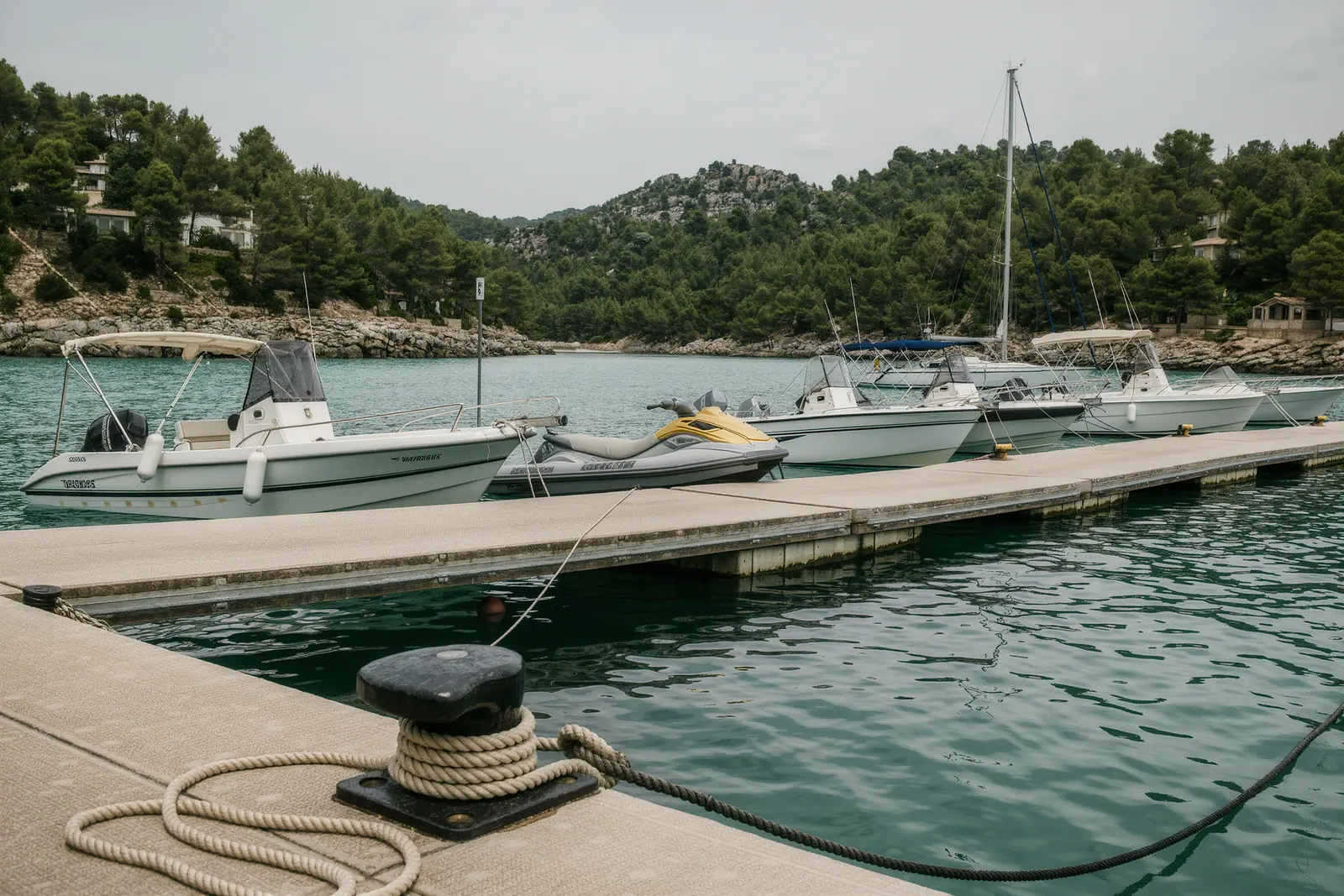
By the middle of November the north-coast cycling towns have gone quiet. The hotels that opened in January for the first camps have closed again, the rental racks are half empty, and the Ma-10 belongs to goats, delivery vans and about six riders a day.
This is the far end of the island’s inverted calendar. Everybody knows Mallorca peaks for cycling in February and March; far fewer people work out what the two or three months before that are actually like, which is a shame, because they contain some of the best riding conditions of the year and by a distance the cheapest.
What winter here actually is
Not cold, in the sense a northern European means it. Daytime temperatures at sea level through December and January usually sit somewhere in the mid teens, and there are weeks of flat blue sky. What changes is everything else.
- Daylight. Around nine and a half hours in late December, with the sun gone before half past five. That is your ride length, and it is shorter than it sounds once you have found breakfast.
- Rain. Late autumn is the wettest part of the Mallorcan year. It arrives in quantity rather than drizzle, and it can shut a day completely.
- The sun angle. This is the one nobody warns you about. In the Tramuntana gorges the sun barely gets over the ridge in December, so long sections of road are in shade all day, several degrees colder, and often damp.
- Wind. The tramuntana wind that names the range comes through in winter with real force, and the exposed north coast is unpleasant when it does.
The season inversion, in one table
| Month | Roads | Rental fleet | Rates | What is open |
|---|---|---|---|---|
| November | Empty, wet spells | Last season’s bikes, worn | Lowest | Resorts closing |
| December | Empty, short days | Fleet turnover starts | Lowest | Palma and the towns |
| January | Filling from mid-month | New bikes arriving | Rising | Cycling hotels reopen |
| February | Busy | New, fully committed | High | Everything cycling |
| March | Busiest | Committed months ago | Highest | Everything |
| April | Busy, then Easter peak | Committed | Highest | Everything |
That fourth column is the practical argument for winter. A bike that costs a premium in March is a modest daily rate in December, and the shops that stay open are pleased to see you.
The fifth column is the argument against. A resort like Port de Pollença in January before the camps arrive has a handful of places to eat, and the long winter lets that keep those towns alive at all are a better guide to what off-season life there is like than any holiday listing.
The fleet turnover is the winter secret
Rental shops on this island buy their new bikes for the spring season, and the old fleet goes out through the autumn. That produces a genuine quality gradient across the year that almost nobody factors into a booking.
A bike hired in late October has done a full season of Tramuntana descents: pads, tyres, chains and bearings have all had a hard nine months. A bike hired in late January is frequently straight out of the box, built that week for a camp block that starts in February.
So if you are coming in the shoulder, ask directly: has the fleet been renewed yet, and is the bike I am getting from this year’s stock or last year’s? Nobody minds the question and the answer changes what you should accept on tyres and pads. On the famous descents that is not a comfort issue.
Road closures, which are a winter fact
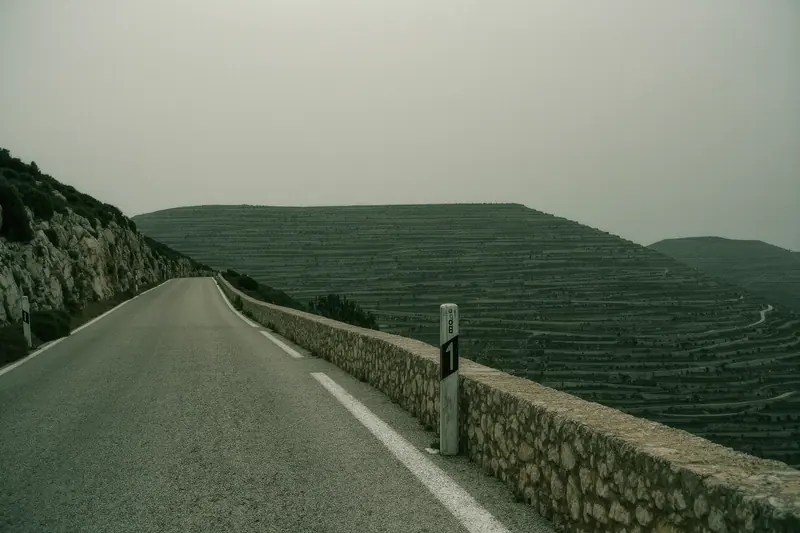
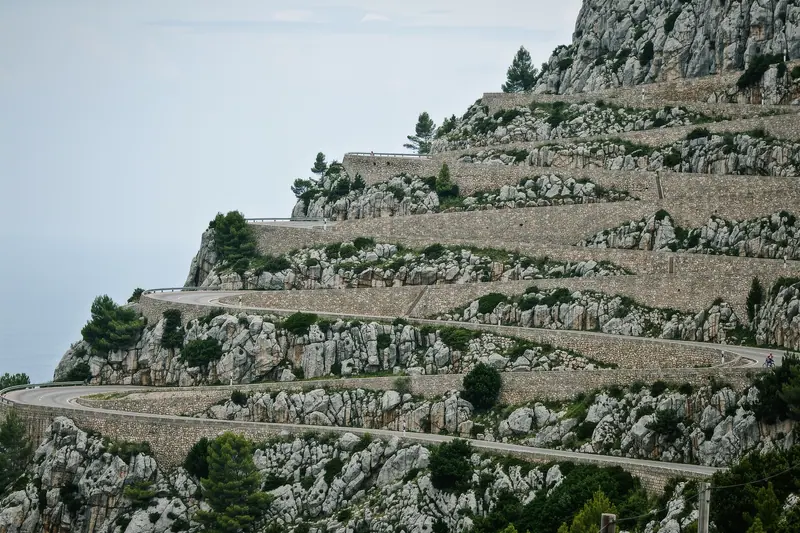
The Ma-10 is cut into unstable limestone and winter is when it moves. Rockfall and slides close sections most years, sometimes for a few days and occasionally for far longer, and the branch road down to the coast at the celebrated hairpins has been shut for extended periods more than once in recent memory.
Closures are cleared when the engineering allows rather than when the cycling calendar would like. Before you plan a mountain day, check the current position locally, and always carry a plan that goes inland or along the coast instead. A closed road in the Tramuntana usually means a fifty-kilometre detour, not a diversion.
Dressing for a descent, not a climb
Every winter mistake here has the same shape. You climb for an hour, generate a lot of heat, arrive at seven hundred metres soaked in sweat, and then descend fourteen kilometres at forty kilometres an hour into air that is eight degrees colder than where you started.
The kit list that solves it is boring and short: long bib tights or knee warmers, a base layer you can be wet in, a packable windproof, full gloves, and something over your ears. Shops will lend or hire most of it. Take a rain jacket in November and December regardless of the forecast, because the forecast in the mountains is a suggestion.
The unglamorous recommendation: base a winter trip in Palma or the Sóller valley rather than the north coast. Palma is a working city that does not close, the Sóller valley has a genuine town behind it, and both put you within reach of mountain roads without depending on a resort that has locked its doors until the camps come back.
What to check before you book
- Confirm the shop is actually open in your week. A good number close from November to the middle of January and the websites do not always say so.
- Ask whether the fleet has been renewed yet. January bikes are usually new; November bikes have done a full season of mountain descents.
- Check the current state of the Ma-10 before planning a mountain day. Winter storms close sections for rockfall and the closures can last weeks.
- Ask for a rear light and use it. Sunset is early and the gorges are dark long before the coast is.
- Take proper winter kit including a rain jacket. Late autumn is the wettest period of the Mallorcan year, not the driest.
- Plan the descent before the climb. Getting cold on the way down is the actual winter risk here, not getting cold on the way up.
Questions people actually ask
- Can you cycle in Mallorca in winter?
Yes, and a small number of people deliberately choose it. Sea-level daytime temperatures through December and January generally sit in the mid teens, the roads are empty, and rates are at their lowest. What you trade is daylight, a real chance of rain, and mountain roads that may be closed by rockfall.
- Is it cold in the mountains?
Colder than the coast by a noticeable margin, and colder again in the shaded gorges that never see direct sun in December. Frost near the high reservoirs at dawn is not unusual and snow on the highest peak happens most winters, though it rarely lies. Dress for the descent rather than the climb.
- Are the bike shops open?
Some are, some are not. The shops in Palma and the larger towns generally trade all year; the seasonal operations in the north-coast cycling resorts often shut from late autumn until the camps return in the middle of January. Confirm directly rather than trusting an out-of-date opening page.
- Do the mountain roads close?
Sections of the Ma-10 close after storms, usually for rockfall or a slide, and the road down to the coast at the famous hairpins has been shut for extended periods more than once. Closures are announced locally and cleared when the engineering allows, which can be days or weeks. Always have a coastal or inland alternative.
- Is it worth coming in December rather than March?
If you want empty roads and low prices, yes. If you want to guarantee six rideable days out of seven, no. December gives you around nine and a half hours between sunrise and sunset, weather that changes quickly, and half the island shut. March gives you the opposite of all four.